
 By
·
8 minute read
By
·
8 minute read
Introduction: Why Rankings Aren't the Goal (Conversions Are)
A business owner once told us: "Our SEO agency got us to #1 for our target keyword. Traffic doubled. But we got zero new customers." They were measuring the wrong thing. Rankings and traffic are vanity metrics. The real SEO success metric is business impact: leads generated, revenue increased, and customer acquisition cost decreased.
"Measuring SEO Success Beyond Rankings" means shifting from visibility metrics (rankings, traffic) to impact metrics (conversions, revenue, ROI). It means building a measurement framework that connects SEO activity to actual business outcomes. When you can prove that SEO drives revenue, you'll have stakeholder buy-in for long-term SEO investment.
This final article ties together the complete SEO framework: keyword research (Blog 1), on-page optimization (Blog 2), technical foundations (Blog 3), and avoiding mistakes (Blog 4), all support the ultimate goal—measuring what matters through conversion tracking and business impact analysis.
![Top 10 SEO Ranking Factors [2025 Update]: What Matters To Google](https://mikekhorev.com/wp-content/uploads/2020/10/Google_Ranking_Factors.png)
The Metrics Pyramid: What Actually Matters
SEO metrics exist in a hierarchy. Most sites track only the bottom (vanity) metrics. Smart businesses track all the way to the top (business impact).
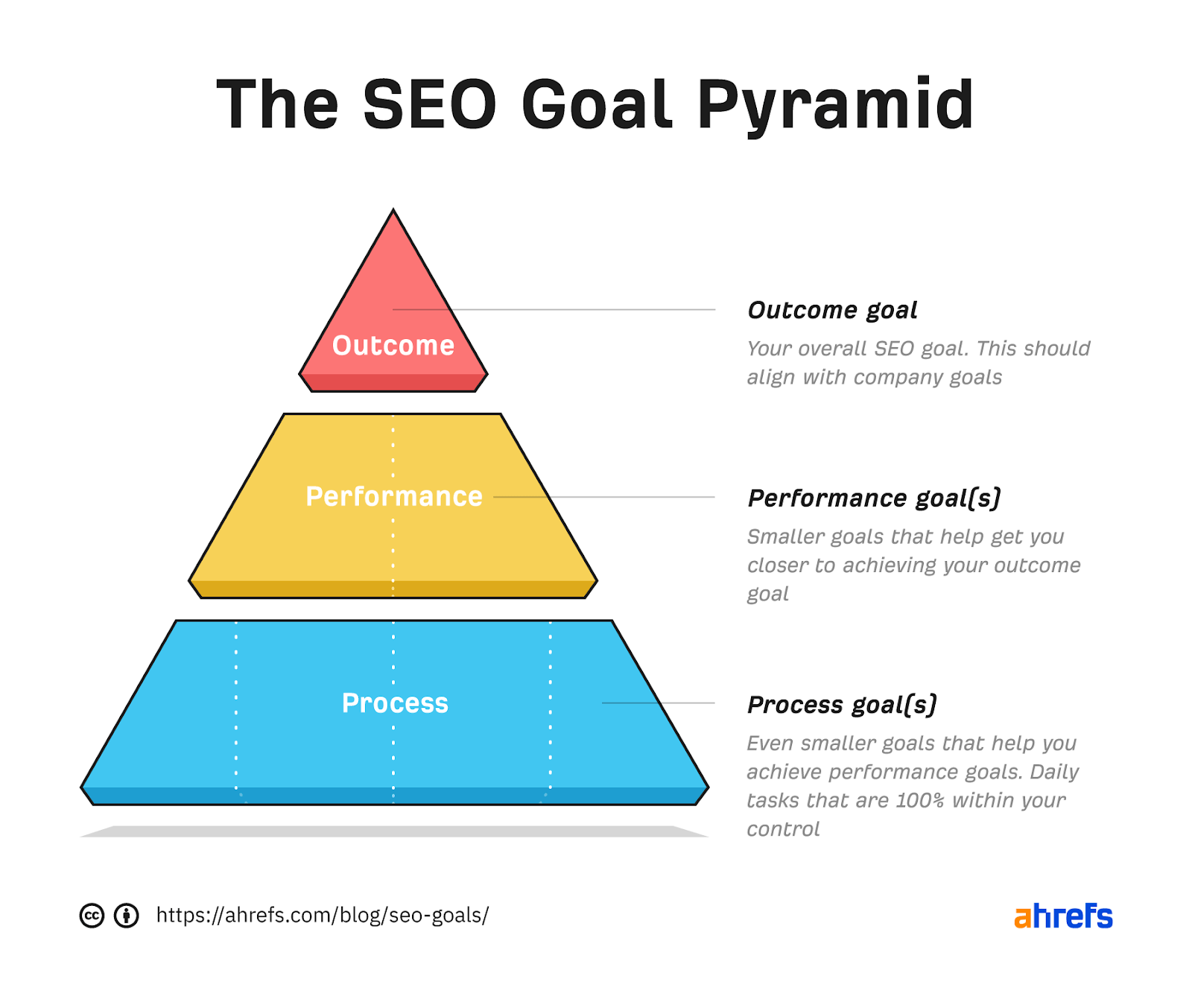
Bottom: Vanity Metrics (Nice to Know, But Meaningless)
These metrics feel impressive but reveal nothing about impact:
-
Impressions: How many times your link appeared in search results
-
Traffic/Sessions: Total visits to your site
-
Page Views: How many pages visitors viewed
Why they're insufficient alone:
-
10,000 visitors from irrelevant searches has zero value
-
High traffic with zero conversions is a failure, not a success
-
You can get more traffic by ranking for higher-volume keywords, but that doesn't mean you're growing the business
Second Level: Engagement Metrics (Better, But Still Incomplete)
These metrics indicate whether content is resonating:
-
Click-Through Rate (CTR): Percentage of impressions that result in clicks
-
Time on Page: How long visitors spend on your page
-
Bounce Rate: Percentage of visitors who leave without taking action
-
Pages Per Session: Average pages viewed per visit
Why they're more useful:
-
CTR tells you if your title and meta description are compelling
-
Time on page indicates content quality
-
Low bounce rate suggests good content-intent match
But they still don't measure business impact. A visitor who spends 5 minutes on your site but doesn't convert is a failure.
Third Level: Conversion Metrics (Getting Close)
These metrics show actual desired actions:
-
Conversion Rate: Percentage of visitors who complete a desired action (purchase, lead form, email signup)
-
Cost Per Acquisition (CPA): How much you spent (in resources) to acquire a customer
-
Lead Quality: Are leads sales-qualified or just volume?
Why they matter:
-
Conversions indicate real business value
-
You can compare conversion rates across channels
-
You can calculate ROI

Top: Business Impact Metrics (What Actually Matters)
-
Revenue Generated: Total revenue from organic search visitors
-
Customer Lifetime Value (CLV): Total revenue expected from a customer
-
Return on Investment (ROI): Revenue gained versus investment spent
-
Payback Period: How long until SEO investment breaks even
These are the metrics that matter to CEOs, CFOs, and business owners.
Setting Up Proper Conversion Tracking

Most websites track traffic but don't track conversions. This is a critical gap that prevents data-driven decision-making.
Step 1: Define Your Conversions
What actions indicate SEO success for your business?
Examples:
-
E-commerce: Completed purchase
-
Lead generation: Form submission
-
SaaS: Trial signup or demo request
-
Publishing: Email signup or long engagement
-
Local service: Phone call or appointment
Define 1–3 primary conversions (not 20). Too many conversions dilutes focus.
Step 2: Track Conversions in Google Analytics
-
Use Google Analytics 4 and E-commerce events
-
Track purchase value, product type, and customer ID
For Lead Generation:
-
Create a conversion event for form submissions
-
Track which forms (which page) generated the lead
For SaaS/Apps:
-
Track signups as conversions
-
Track paid conversions separately if you have them
For Other Businesses:
-
Define what "conversion" means (call, appointment, email, purchase)
-
Create custom events to track them
Step 3: Connect to Business Outcomes
Your measurement becomes powerful when you connect GA conversions to actual revenue:
-
When a conversion happens, capture an identifier (lead ID, customer ID, email)
-
In your CRM, track which leads became paying customers
-
Calculate: "What percentage of GA conversions became revenue?"
-
Calculate: "What was the average revenue per conversion?"
Now you can answer: "This keyword brought 10 conversions; of those, 2 became customers worth $5,000 each. So this keyword generated $10,000 in revenue."
Connecting Keywords to Revenue
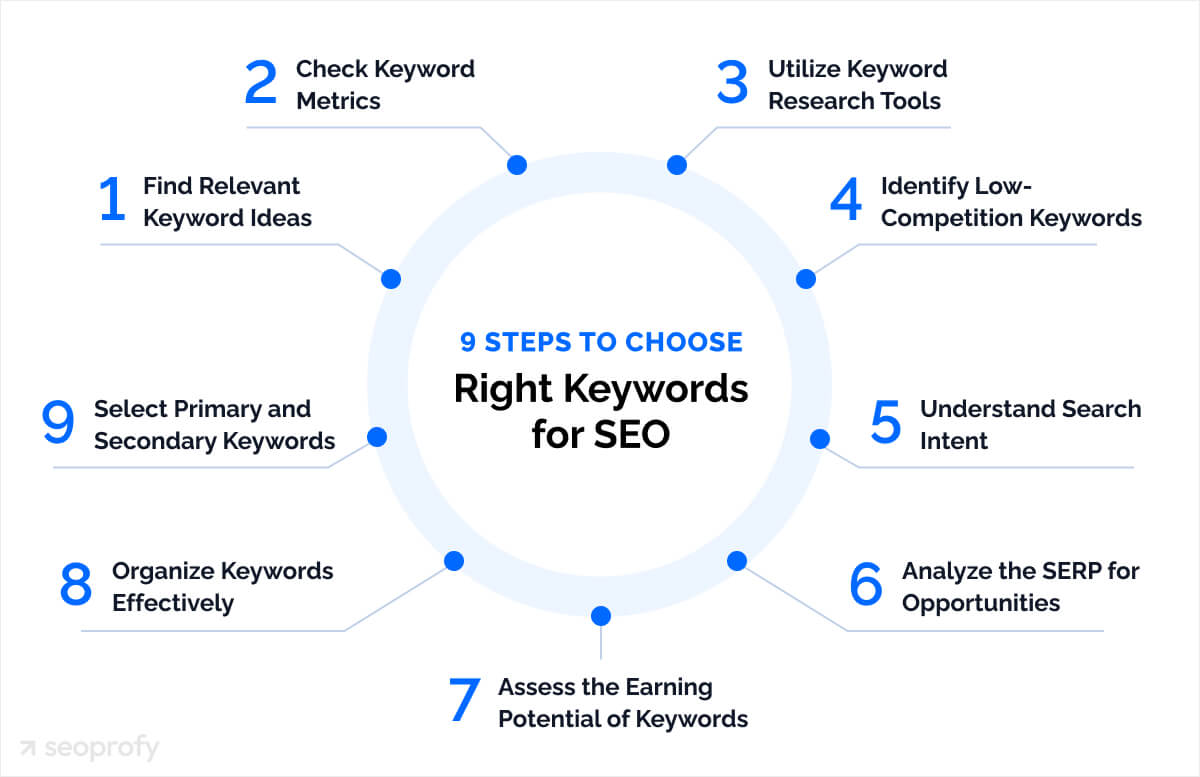
This is where your keyword research connects directly to measurement.
Keywords by Conversion Value
Not all traffic is equal. A keyword that brings 50 visits but converts 8% is infinitely more valuable than a keyword that brings 500 visits but converts 0.5%.
Calculate for each keyword:
-
Traffic brought
-
Conversions generated
-
Conversion rate
-
Revenue value (if trackable)
Prioritize keywords by revenue impact, not traffic volume.
Example:
-
Keyword A: 100 visits, 1 conversion, 1% rate, $500 value
-
Keyword B: 500 visits, 1 conversion, 0.2% rate, $500 value
Both brought the same revenue, but Keyword A is dramatically more efficient.
Keyword Gaps (High Intent, Zero Traffic)
Sometimes the most valuable keywords are the ones bringing zero traffic because you're not ranking for them.
Identify these by:
-
Researching high-intent keywords in your niche
-
Checking if you rank for them (you don't if they bring zero traffic)
-
Prioritizing creating content for high-value, non-ranking keywords
This is your biggest growth opportunity: claim keywords you should win but don't.
Isolating SEO's Impact (Avoiding Attribution Mistakes)
Most businesses struggle to accurately attribute revenue to SEO because:
-
Customers touch multiple channels before converting (email, paid ads, organic search)
-
They might search, leave, come back later
-
Direct traffic might include past organic visitors
Understanding Attribution Models
-
Last-Click Attribution: Credit the last channel before conversion (favors retargeting, paid ads)
-
First-Click Attribution: Credit the first channel that brought awareness (favors top-of-funnel channels)
-
Multi-Touch Attribution: Distribute credit across touchpoints (more accurate)
For SEO specifically:
-
Rule of thumb: If someone converts within 30 days of visiting your site via organic search, that's likely an SEO conversion.
-
Search to purchase: Many people search, leave, return days/weeks later. Your analytics should show this via "Assisted Conversions" in GA.
GA4 provides "Assisted Conversions" reporting that shows how organic search helped even if it wasn't the final click. Use this to get a fuller picture of SEO's impact.
Building a Dashboard (Track What Matters)
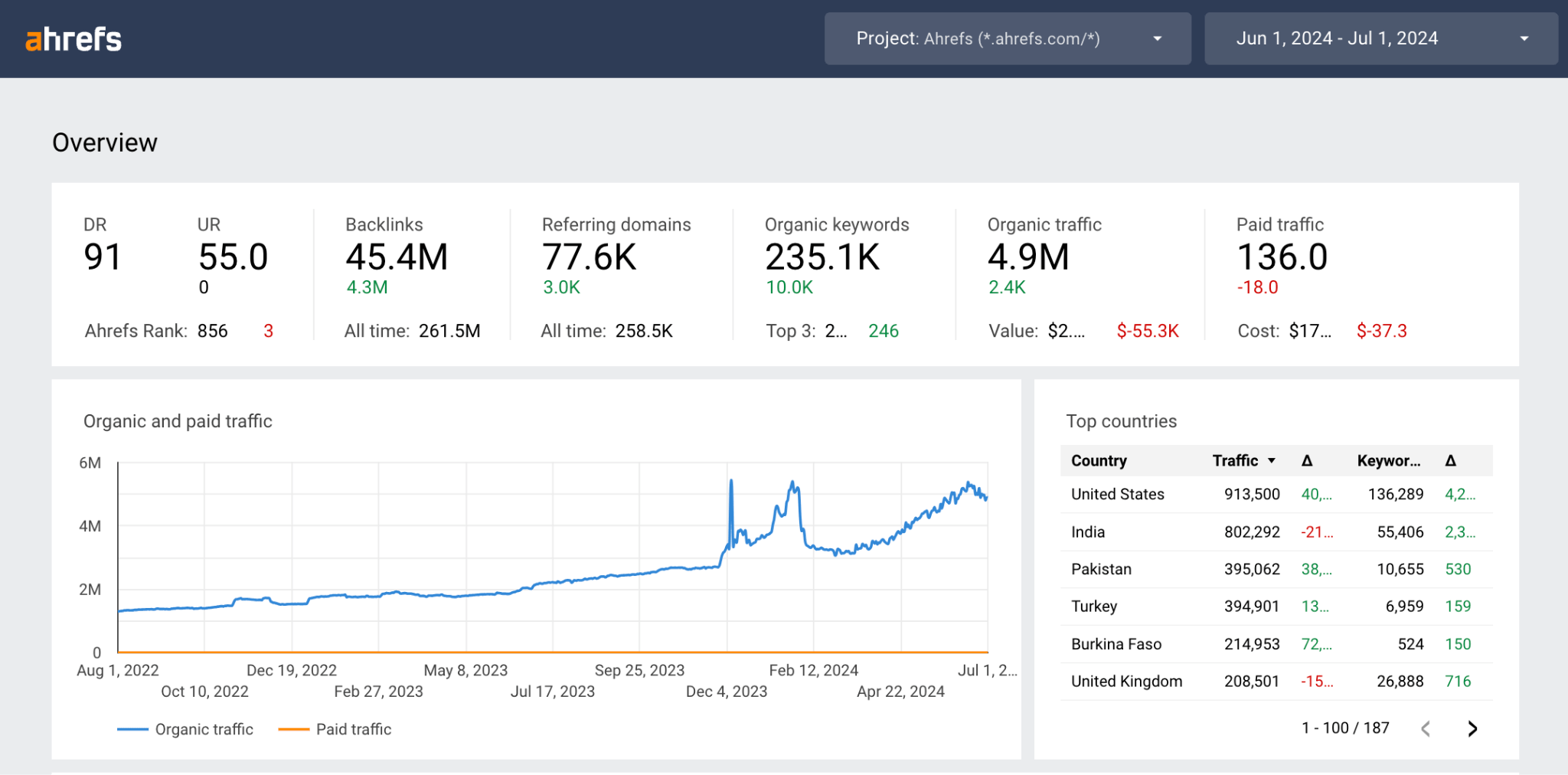
Rather than overwhelming yourself with 50 metrics, build a focused dashboard that answers key questions:
Essential SEO Dashboard Metrics
-
Organic Traffic (from GA): Total sessions from organic search, trended month-over-month
-
Organic Conversions (from GA): How many conversions came from organic search
-
Conversion Rate (from GA): Organic conversion rate (conversions ÷ sessions)
-
Cost Per Acquisition (from GA + Finance): Cost of SEO investment ÷ organic conversions
-
Revenue from Organic (from GA + CRM): Actual revenue attributable to organic search
-
Keyword Rankings (from your SEO tool): How many keywords rank in top 3, top 10, top 50
-
Keyword Traffic Share (from GA): Which keywords drive most traffic and conversions
-
Average Position (from Google Search Console): Overall ranking position trend
-
Page Performance (from GA): Which pages drive most conversions
-
ROI (from Finance): Revenue from organic ÷ SEO investment
Most of these come from three free sources: Google Analytics, Google Search Console, and your business's conversion/revenue data.
Reporting SEO Performance to Stakeholders
When you have proper measurement in place, reporting becomes powerful.
Monthly Report Template
Executive Summary
-
Organic traffic: X sessions (↑ Y% vs. last month)
-
Organic conversions: X (↑ Y%)
-
Revenue from organic: $X (↑ Y%)
-
ROI: X% (cost of SEO ÷ revenue generated)
Key Insights
-
Top performing keyword/page and why
-
Challenge this month and plan to address
-
Opportunity identified
Detailed Metrics (table with this month vs. last month, ytd, and trend)
-
Traffic by channel (organic share %)
-
Conversions by source
-
Revenue by source
-
Keyword rankings (top 5 keywords)
-
Page performance (top 5 converting pages)
Upcoming Month Plan
-
Content being created
-
Technical improvements in progress
-
Keywords being targeted
This format tells a story, shows impact, and justifies SEO investment.
Setting SEO Goals That Matter
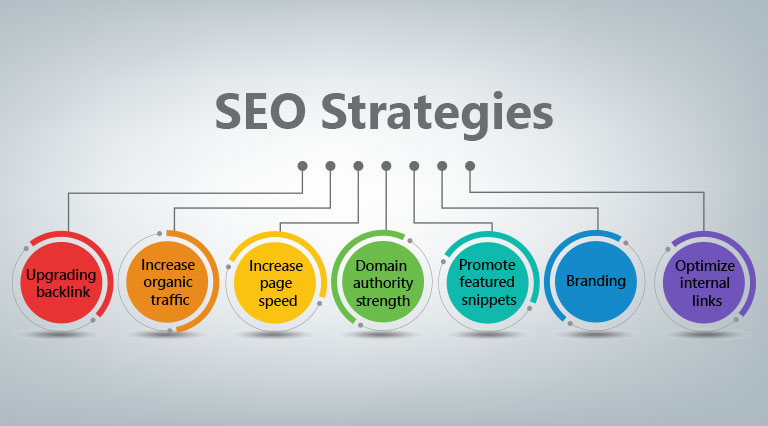
With proper measurement in place, you can set meaningful SEO goals:
Good SEO Goals (Tie to Business Impact)
❌ "Rank for 100 keywords."
✅ "Generate 50 organic leads per month that qualify for sales."
❌ "Get 10,000 organic visits per month."
✅ "Drive $100,000 monthly revenue from organic search."
❌ "Improve average ranking from #25 to #15"
✅ "Increase organic conversion rate from 2% to 3%"
Good goals are:
-
Specific: Not vague ("improve SEO" is vague; "increase organic revenue by 30%" is specific)
-
Measurable: You can track progress with data
-
Achievable: Ambitious but realistic given your current position
-
Relevant: Tied to business outcomes, not just SEO metrics
-
Time-bound: With a deadline (monthly, quarterly, yearly)
Diagnosing Why Goals Aren't Being Met
If your organic traffic or conversions aren't growing as expected, systematic diagnosis reveals the problem:
Problem: Traffic not increasing
-
Possible causes: Keyword rankings stalled, low CTR, no new content
-
Solution: Check rankings (tool), analyze CTR vs competitors (SERP analysis), audit content gap
Problem: Traffic growing but conversions flat
-
Possible causes: Low conversion rate, wrong audience, poor page experience
-
Solution: A/B test landing pages, improve page speed/mobile, review on-page CTA
Problem: Conversions growing but revenue flat
-
Possible causes: Lead quality poor, sales team not following up, customer lifetime value low
-
Solution: Review lead quality, improve sales process, focus on high-value keywords
Problem: Everything flat (no growth)
-
Possible causes: Wrong keyword strategy, technical issues, content quality, increased competition
-
Solution: Go back to Blog 1 (keyword strategy), Blog 2 (on-page), Blog 3 (technical), Blog 4 (mistakes)
Quick Takeaways
-
Rankings and traffic are vanity metrics; what matters is business impact (conversions, revenue, ROI).
-
Define your conversion: What action indicates SEO success for your specific business?
-
Track conversions in Google Analytics: Connect web events to actual business outcomes.
-
Connect SEO data to revenue: Revenue per keyword, revenue per page, revenue per traffic source.
-
Use multi-touch attribution: Understand how organic search contributes to conversions even when it's not the final click.
-
Build a focused dashboard: Track 10–12 key metrics that answer business questions, not 50+ metrics.
-
Keyword value varies dramatically: A keyword bringing 50 qualified visits is more valuable than 500 unqualified visits.
-
Identify keyword gaps: The highest-value keywords might be the ones you're not ranking for.
-
Report to stakeholders effectively: Frame SEO impact in business terms (revenue, ROI), not marketing terms (rankings, traffic).
-
Set goals tied to business impact: "Increase organic revenue 30%" beats "rank for 100 keywords."
-
Diagnose problems systematically: Use a framework to understand whether issues are keyword strategy, content, technical, or conversion-related.
-
Use all five blog guides together: Keyword research → On-page → Technical → Avoid mistakes → Measure impact creates a complete, scalable system.
Conclusion
You can have perfect rankings and impressive traffic numbers while generating zero business value. Conversely, you can have modest rankings and moderate traffic that generates substantial revenue. The difference is measurement.
The most successful SEO teams measure not just what they do (rankings, content published) but what their work achieves (revenue generated, customers acquired). They connect keyword rankings to conversions. They understand which pages drive revenue. They calculate true ROI. And they use that data to make strategic decisions about where to invest next.
This final article completes the SEO framework that began with keyword research. When you understand:
-
Blog 1: Which keywords to target (high intent, your business fit)
-
Blog 2: How to optimize pages for those keywords
-
Blog 3: How to ensure your technical foundation supports rankings
-
Blog 4: What mistakes kill growth
-
Blog 5: How to measure what actually matters
...you have a complete system for building SEO that converts and scales.
Most businesses skip measurement because it requires connecting multiple data sources (GA, CRM, accounting, rankings data). But that extra work pays massive dividends. Once you can prove ROI, you'll have executive support for sustainable, long-term SEO investment rather than short-term campaigns.
Your next step: Spend one week setting up proper conversion tracking and connecting GA to your CRM. Measure this month's organic revenue. Calculate ROI. Show stakeholders the number. That conversation changes everything.
Frequently Asked Questions About SEO Measurement
Q1: Should I prioritize traffic growth or conversion rate improvement?
A: Revenue = Traffic × Conversion Rate. Growing traffic with flat conversion rate increases revenue linearly. Improving conversion rate with flat traffic multiplies revenue. Ideally, grow both, but if you must choose: improving conversion rate is higher leverage.
Q2: What's a good organic conversion rate?
A: Varies dramatically by industry. E-commerce averages 2–3%. B2B lead gen averages 1–2%. Publishing/email averages 3–5%. The key is tracking your own baseline and improving it over time.
Q3: How long should I wait before expecting SEO results?
A: 3 months to see ranking improvements on new pages. 6 months to see significant traffic improvements. 12 months to see clear ROI patterns. SEO is not a quick-win channel.
Q4: Should I measure brand vs. non-brand keywords separately?
A: Absolutely. Brand keywords (containing your company name) convert much better but don't show SEO impact. Focus measurement on non-brand keywords to understand true SEO influence.
Q5: What if my CRM doesn't integrate with GA?
A: Use UTM parameters in GA to tag source/medium/campaign. Create custom goals in GA based on pages visited (e.g., thank you page = conversion). Use spreadsheet imports to match GA conversions with CRM customer data.
Q6: How do I handle direct traffic that's actually past organic visitors?
A: In GA, look at "Assisted Conversions" reporting which shows how channels contribute even if they're not the last click. This includes organic search assisting direct conversions.
Keep Reading: Your Complete SEO System
You've now read all five core SEO guides:
-
"Keyword Research That Actually Converts" – Find the right keywords
-
"On-Page SEO Checklist for Modern Websites" – Optimize pages for those keywords
-
"Technical SEO Basics for Non-Developers" – Build your technical foundation
-
"SEO Mistakes That Kill Organic Growth" – Avoid costly errors
-
"Measuring SEO Success Beyond Rankings" – Track what matters
Interlink these five articles on your site. Create a hub page linking to all five. Make it clear they're a complete system. Readers who understand all five will have a sophisticated, scalable SEO strategy.
References
Google Analytics Academy. (2025). GA4 Fundamentals. Retrieved from https://analytics.google.com/analytics/academy/
Google Ads. (2025). Attribution Models. Retrieved from https://support.google.com/google-ads/answer/9351546
Analytics Blog. (2025). Measuring Multi-Channel Attribution. Retrieved from https://blog.google/products/analytics/measurement/
Semrush. (2025). How to Measure SEO ROI. Retrieved from https://www.semrush.com/blog/seo-roi/
HubSpot. (2025). How to Measure SEO Success. Retrieved from https://blog.hubspot.com/marketing/how-to-measure-seo
Backlinko. (2025). SEO Metrics. Retrieved from https://backlinko.com/
Neil Patel. (2025). SEO Analytics and Reporting. Retrieved from https://neilpatel.com/blog/
Moz. (2025). Keyword Ranking Tracking. Retrieved from https://moz.com/products/pro/features/rank-tracking